Should You Let A Fever Run Its Course
Should You Let A Fever Run Its Course - Consider this your primer on fevers and. But should you give your child medicine or let a fever run its course? So should you treat a fever or let the fever run its course? However, there isn’t a lot of harm in suppressing. Thankfully, a higher than normal temperature isn’t usually cause for panic. How do you know when it’s time to call the. But if a fever is. Studies that compare treating people with fever versus letting the fever run its course haven’t shown a clear benefit to treatment. Understanding the role of fever in the immune response can empower individuals to make informed decisions about when to treat fever and when to allow it to run its natural. These recommendations are for people who are generally healthy — for instance, those who are not. Should you break a fever? And when should you call a doctor, particularly if you discover your child has a fever? That means they don’t have. So should you treat a fever or let the fever run its course? There are two basic fields of thought: In most cases, it's safe to let a fever run its course, as it can help the body fight off infections effectively. Here's help knowing what to do. Here's help making the call. So should you treat a fever or let the fever run its course? Unless evidence suggests otherwise, we advise that fever should be allowed to run its course. These recommendations are for people who are generally healthy — for instance, those who are not. That means they don’t have. So should you treat a fever or let the fever run its course? These suggestions are for people who don’t have serious health issues. Should you do anything to treat it or let it run its course? These suggestions are for people who don’t have serious health issues. Should you break a fever? That means they don’t have. However, there isn’t a lot of harm in. While many individuals instinctively reach for medication to reduce fever, there is a growing body of evidence suggesting that allowing fever to run its natural course may be. Unless evidence suggests otherwise, we advise that fever should be allowed to run its course. Should you break a fever? So should you treat a fever or let the fever run its course? Fever is a common physiological response to infection or illness. Free of ibuprofenfever relieffree of nsaidsfree of aspirin The answer is individualized and can vary depending on many factors, but in general and with otherwise healthy people, it’s best to. However, there isn’t a lot of harm in. And when should you call a doctor, particularly if you discover your child has a fever? So should you treat a fever or let the fever run its course? But. Should you break a fever? However, there isn’t a lot of harm in. So should you treat a fever or let the fever run its course? Consider this your primer on fevers and. That means they don’t have. While many individuals instinctively reach for medication to reduce fever, there is a growing body of evidence suggesting that allowing fever to run its natural course may be. Unless evidence suggests otherwise, we advise that fever should be allowed to run its course. Unless a fever becomes dangerously high or lasts for a prolonged period, it may be better to. Unless evidence suggests otherwise, we advise that fever should be allowed to run its course. However, there isn’t a lot of harm in. The answer is individualized and can vary depending on many factors, but in general and with otherwise healthy people, it’s best to. Should you do anything to treat it or let it run its course? Free of. These suggestions are for people who don't have serious health issues. These suggestions are for people who don’t have serious health issues. Understanding the role of fever in the immune response can empower individuals to make informed decisions about when to treat fever and when to allow it to run its natural. Unless a fever becomes dangerously high or lasts. While many individuals instinctively reach for medication to reduce fever, there is a growing body of evidence suggesting that allowing fever to run its natural course may be. Studies that compare treating people with fever versus letting the fever run its course haven’t shown a clear benefit to treatment. These suggestions are for people who don’t have serious health issues.. And when should you call a doctor, particularly if you discover your child has a fever? There are two basic fields of thought: Here’s help knowing what to do. Thankfully, a higher than normal temperature isn’t usually cause for panic. Fever is a common physiological response to infection or illness. Fever is a common physiological response to infection or illness. However, there isn’t a lot of harm in. And when should you call a doctor, particularly if you discover your child has a fever? Thankfully, a higher than normal temperature isn’t usually cause for panic. (i) fever should be suppressed because its metabolic costs outweigh its potential physiologic benefit in an already stressed host; Unless evidence suggests otherwise, we advise that fever should be allowed to run its course. How do you know when it’s time to call the. Free of ibuprofenfever relieffree of nsaidsfree of aspirin While many individuals instinctively reach for medication to reduce fever, there is a growing body of evidence suggesting that allowing fever to run its natural course may be. Understanding the role of fever in the immune response can empower individuals to make informed decisions about when to treat fever and when to allow it to run its natural. The answer is individualized and can vary depending on many factors, but in general and with otherwise healthy people, it’s best to. In most cases, it's safe to let a fever run its course, as it can help the body fight off infections effectively. Unless a fever becomes dangerously high or lasts for a prolonged period, it may be better to let a fever run its course, given its role in helping to fight infection. Here’s help knowing what to do. Should you break a fever? These recommendations are for people who are generally healthy — for instance, those who are not.
UCLA Health on Twitter "When you’re running a fever, should you try to
/__opt__aboutcom__coeus__resources__content_migration__mnn__images__2018__01__child-with-fever-1db9ed83fa2d4e9b88533d025572420a.jpg)
Should You Let a Fever Run Its Course?

Should You Take Fever Medicine Or Let It Run Its Course How Fever

When to worry about your child's fever Chicago Health

Should you let fever run its course? Torrinomedica

When you have a fever, should you stay warm or cold? Torrinomedica
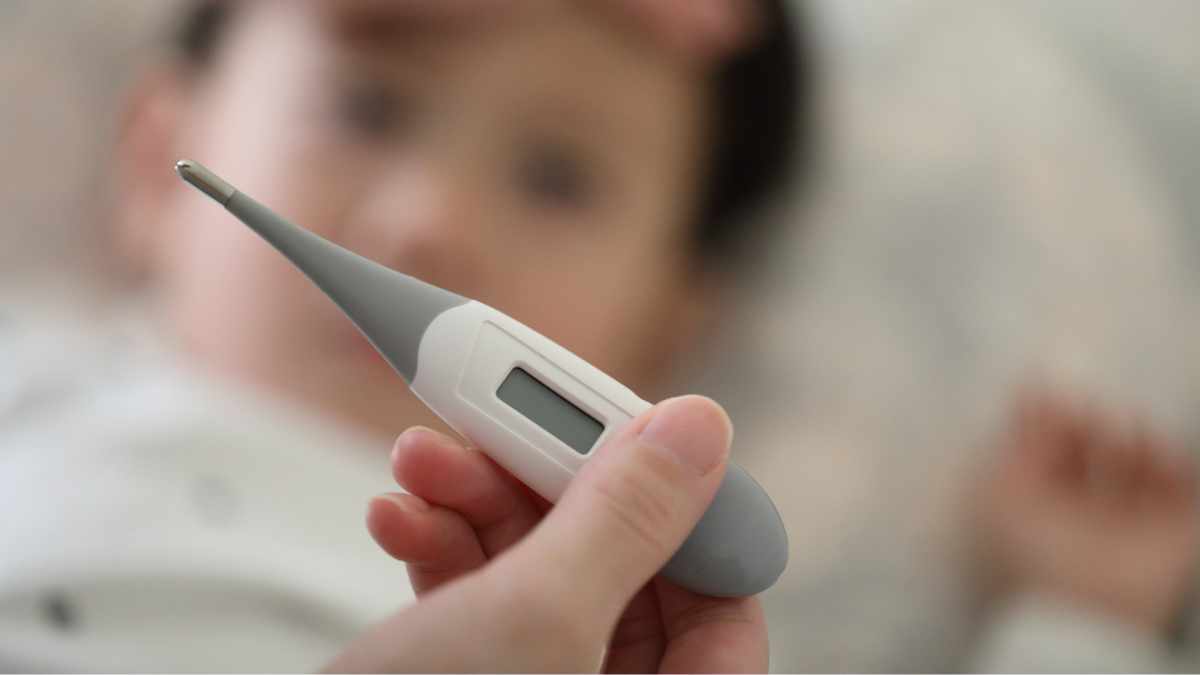
Should you let fever run its course? Torrinomedica

Should you let fever run its course? Torrinomedica
Earthley Wellness It's true! So many parents fear fevers, but really

Why You Shouldn't Treat a Fever Small Footprint Family
There Are Two Basic Fields Of Thought:
Here's Help Knowing What To Do.
Here's Help Making The Call.
These Suggestions Are For People Who Don’t Have Serious Health Issues.
Related Post: