
Roof Shingle Starter Course
Roof Shingle Starter Course - Shingles using a gauged roofing hammer and vertical bond lines. Place the shingle upside down on a sheet of plywood and use a straightedge to. Tom melillo, residential project manager, roof services: The starter course is installed after the drip edge, ice & water shield and synthetic underlayments are installed on the roof deck. The starter course is the first row of shingles and ensures proper water drainage. They can also be used as a rake edge strip to stop wind uplift. On a rectangular roof without dormers, valleys or other obstructions, there are three basic layout steps: In addition, this starter course protects the roof by filling in any gaps. Mfm building products’s shinglestarter® is designed to quickly and effortlessly adhere to the drip edge for immediate protection. Here’s a short guide to cutting and installing these starter shingles on your roof. Center starter course on the roof’s centerline; Here’s a short guide to cutting and installing these starter shingles on your roof. In other words, the starter course is a backing for the first visible row of shingles. Starter shingles are the key to making sure shingles aren’t severely impacted by wind and storm damage. Learn tips and techniques for inspecting and installing asphalt shingles. Place this modified shingle at the bottom edge of the roof, overhanging the drip edge by about 1/4 inch. Do you need a starter course with architectural shingles? Mfm building products’s shinglestarter® is designed to quickly and effortlessly adhere to the drip edge for immediate protection. First course of shingles installed along the drip edge at the eaves below the first exposed course of shingles. These edges are commonly called the eave and rake edges. Mfm building products’s shinglestarter® is designed to quickly and effortlessly adhere to the drip edge for immediate protection. Calculate the linear footage of your roof’s. For safety reasons, many homeowners prefer to measure from the ground. The starter course protects your roof by filling in the spaces under the edges of the first row of exposed shingles. Establishing the overhang,. Here’s a short guide to cutting and installing these starter shingles on your roof. You’ll cover the starter course with the first course of shingles. The starter course is usually laid inverted, granular side up. Why do some shingles need unique shingle starters? Often, however, a starter course is made of cut shingles. Starter strip shingles are installed on your roof edges. Starter shingles are the key to making sure shingles aren’t severely impacted by wind and storm damage. Tom melillo, residential project manager, roof services: Often, however, a starter course is made of cut shingles. Required along all eaves and rakes to provide proper water shedding. Cut off the tabs of a full shingle, leaving only the top portion with the tar strip. Calculate the linear footage of your roof’s. Place the shingle upside down on a sheet of plywood and use a straightedge to. While roof shingles are the most visible part of your roof, the foundation, or starter shingles, is equally important. The starter. Starter strip shingles are installed on your roof edges. Learn tips and techniques for inspecting and installing asphalt shingles. A standard starter shingle begins at the bottom and edges of roofs, and should have five or six nails holding it down for added security. The starter course is the first row of shingles and ensures proper water drainage. Gafroofingthis video. These edges are commonly called the eave and rake edges. In other words, the starter course is a backing for the first visible row of shingles. While roof shingles are the most visible part of your roof, the foundation, or starter shingles, is equally important. Calculate the linear footage of your roof’s. The main reason for a starter course is. Starter shingles are the key to making sure shingles aren’t severely impacted by wind and storm damage. Mfm building products’s shinglestarter® is designed to quickly and effortlessly adhere to the drip edge for immediate protection. The main reason for a starter course is to fill the gaps between the keys on the shingles. Establishing the overhang, striking the bond lines. The steps to installing a composition roof are outlined below and the inclusion of the starter shingle roll is a welcome addition in my books. On a rectangular roof without dormers, valleys or other obstructions, there are three basic layout steps: While roof shingles are the most visible part of your roof, the foundation, or starter shingles, is equally important.. The starter course is installed after the drip edge, ice & water shield and synthetic underlayments are installed on the roof deck. Place this modified shingle at the bottom edge of the roof, overhanging the drip edge by about 1/4 inch. That makes it necessary to lay a starter course of shingles at the eves, spaced about six inches off. Here’s a short guide to cutting and installing these starter shingles on your roof. For safety reasons, many homeowners prefer to measure from the ground. Trim tabs off roof shingles to create a starter course. They can also be used as a rake edge strip to stop wind uplift. Why do some shingles need unique shingle starters? Every roof has to start somewhere, and that somewhere is at the appropriately named starter shingle (also called starter strip). Often, however, a starter course is made of cut shingles. In addition, this starter course protects the roof by filling in any gaps. Shingle installation begins with starter shingles that are installed along the eave and rake edges. Do you need a starter course with architectural shingles? A standard starter shingle begins at the bottom and edges of roofs, and should have five or six nails holding it down for added security. If these first shingles are not installed correctly, there will be problems with the entire set of shingles. Here’s a short guide to cutting and installing these starter shingles on your roof. The starter course is the first row of shingles and ensures proper water drainage. That makes it necessary to lay a starter course of shingles at the eves, spaced about six inches off center, to protect the roof, when using that type. Place this modified shingle at the bottom edge of the roof, overhanging the drip edge by about 1/4 inch. This product speeds installation so much that i can't believe i ever worked without it. The first exposed course of shingles should be flush with or, slightly over hanging, the starter course. Approved for 0.25 preferred provider ceus from the international code council (icc). Establishing the overhang, striking the bond lines and striking the horizontal lines. Each shingle must be gapped from the shingle beside it by roughly 3/16.
Asphalt Roof Shingling Basics JLC Online
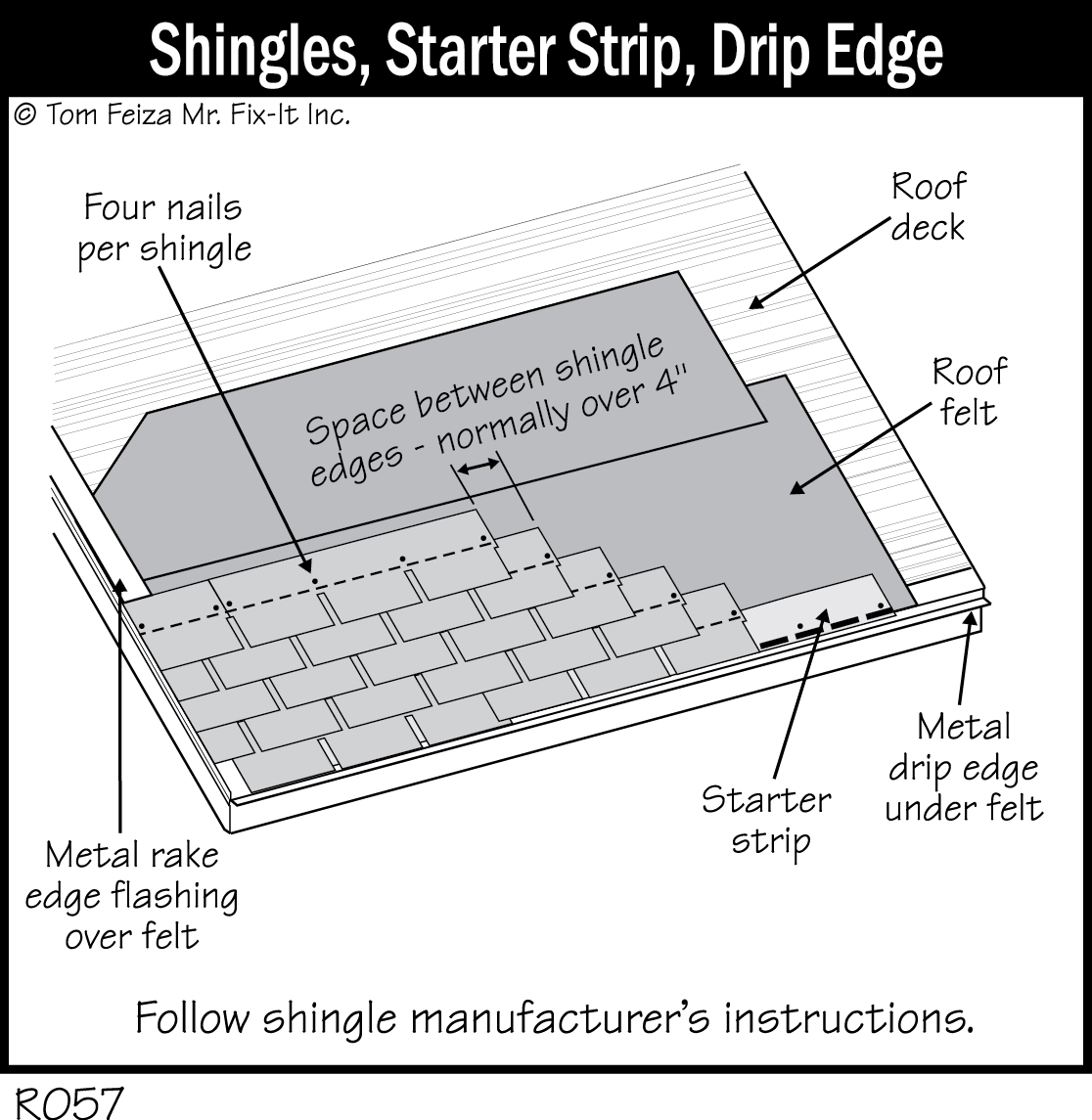
roofing starter strip application Torri Nunn
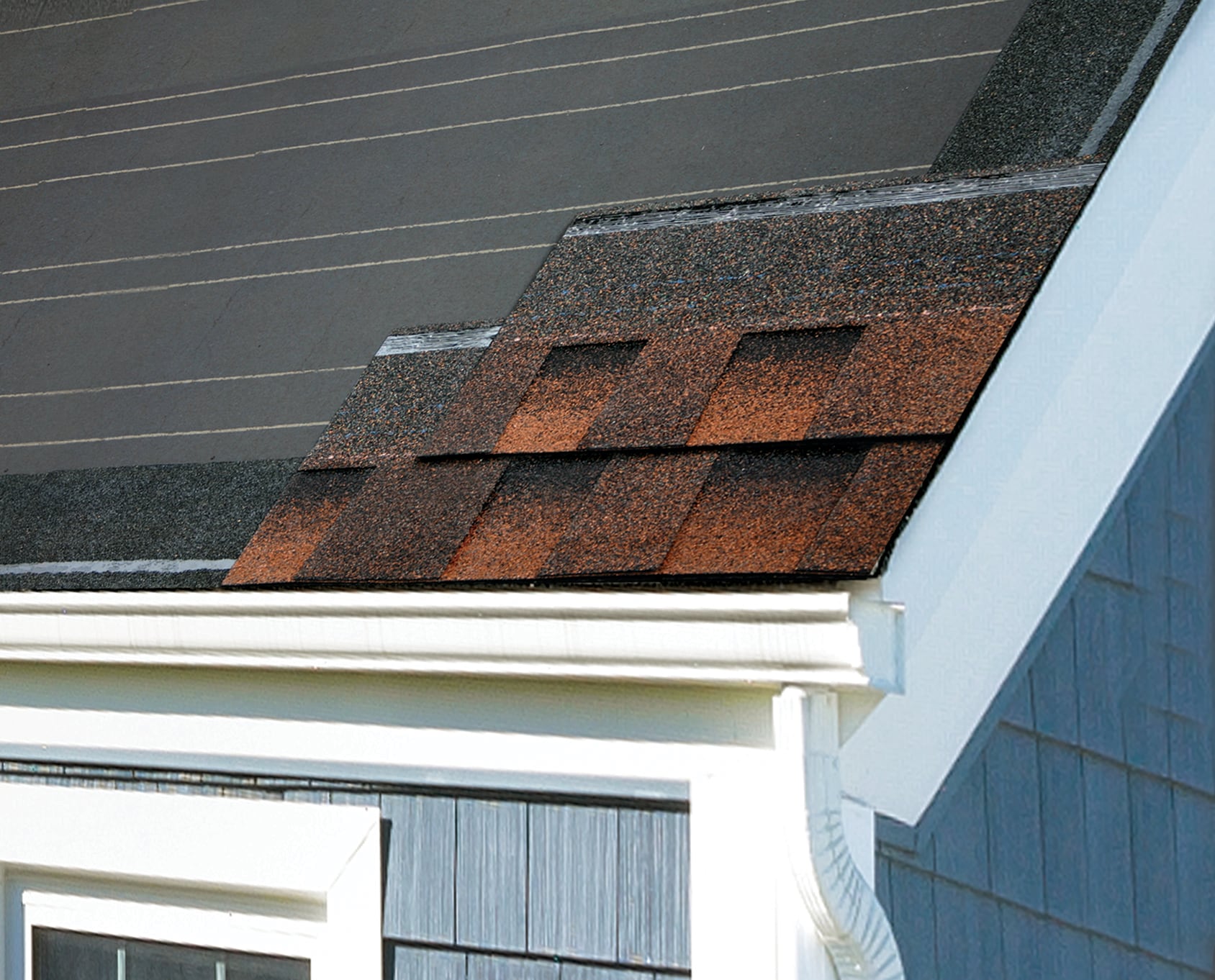
GAF ProStart 120 lin. ft. Eave and Rake Roofing Starter Strip

Owens Corning Starter Strip Plus Starter Shingle (105 lin. ft.) Roofing

How To Install Starter Strip Roof Shingles Roof Shingles For

roofing starter strip application Torri Nunn

Starter Shingles What are they and what are they used for? Agassiz
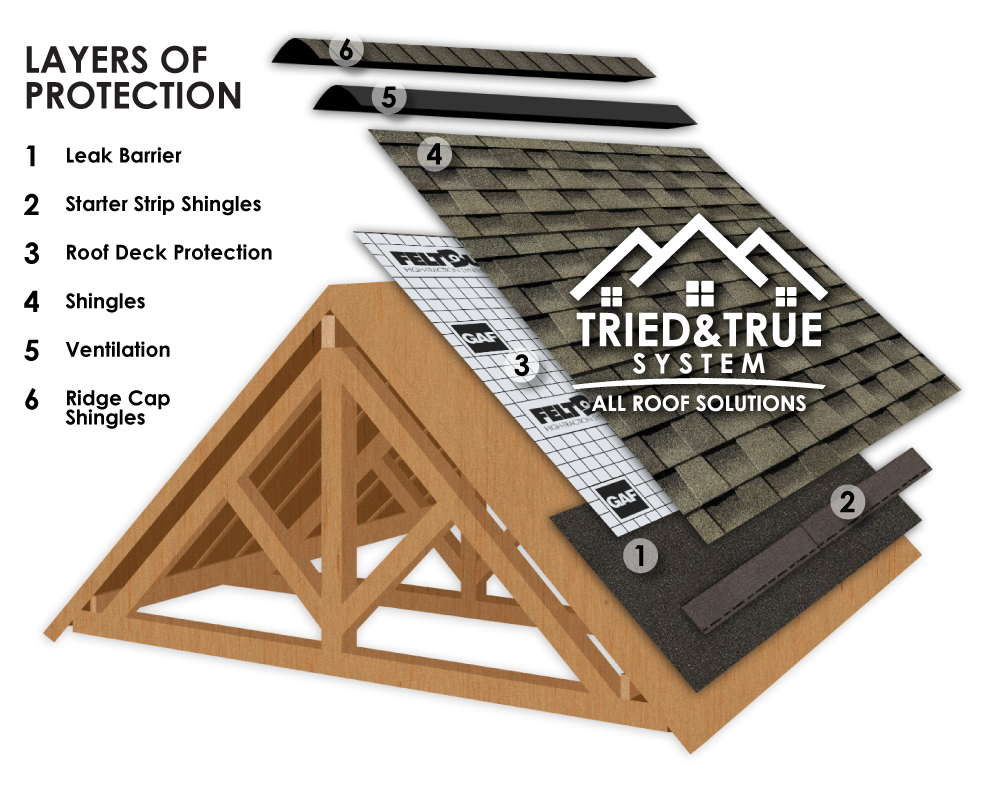
roofing starter strip application Torri Nunn
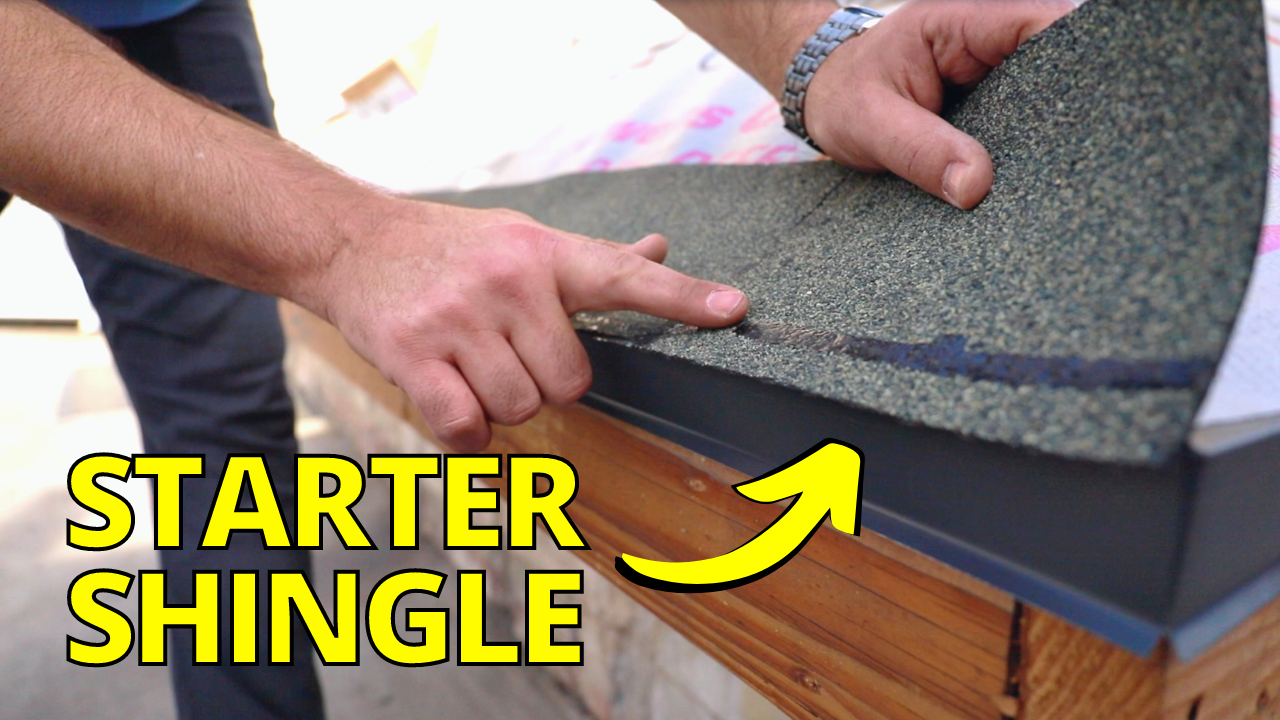
How to Install Starter Strip on a Shingle Roof Roof Repair Specialist

How To Install Starter Strip Roof Shingles Roof Shingles For
For Safety Reasons, Many Homeowners Prefer To Measure From The Ground.
Tom Melillo, Residential Project Manager, Roof Services:
The Starter Course Protects Your Roof By Filling In The Spaces Under The Edges Of The First Row Of Exposed Shingles.
The Main Reason For A Starter Course Is To Fill The Gaps Between The Keys On The Shingles.
Related Post: