
Life Course Theory In Criminology
Life Course Theory In Criminology - The term life course suggests a focus on how people's criminal behavior changes over the various stages. Age (period and cohort effects); Integral to the life course perspective are two main concepts: Developmental and life course criminology does so by focusing on three main issues: The criminological theory and research graduate certificate is designed to enhance your skills in advanced statistical techniques in criminology. While this has been the case regarding. This theory highlights how various factors, including biological, psychological, and social influences, contribute to patterns of offending and desistance, distinguishing between those. We have produced several special issues over recent years and it is timely to illuminate some of the current theories and theoretical debates available for informing. Life course theory in criminology examines how individual experiences and events across the lifespan shape criminal behavior, incorporating factors like age, socialization, and life events. The developmental life course perspective looks at criminal behavior over the course of someone’s lifetime. According to this perspective, criminality cannot be understood by. While this has been the case regarding. Integral to the life course perspective are two main concepts: The inclusion of criminology into the degree affords you the opportunity to understanding how society makes sense of crime, criminality and its control as well as the relationship between. (a) the development of offending and antisocial behaviour from the womb to the tomb; The major concepts from the life course include a focus on continuity; The criminological theory and research graduate certificate is designed to enhance your skills in advanced statistical techniques in criminology. The developmental life course perspective looks at criminal behavior over the course of someone’s lifetime. In general, dlc theory concentrates on three main issues: (1) the development of offending and antisocial behavior, (2) the effect of risk and protective factors at different ages on criminal. In general, dlc theory concentrates on three main issues: (1) the development of offending and antisocial behavior, (2) the effect of risk and protective factors at different ages on criminal. The term life course suggests a focus on how people's criminal behavior changes over the various stages. Compare multiple schoolsstudy at top collegesearn your degree online This theory highlights how. And both internal and external forces that may shape. In general, dlc theory concentrates on three main issues: The developmental life course perspective looks at criminal behavior over the course of someone’s lifetime. Developmental and life course criminology does so by focusing on three main issues: The development of offending and antisocial behavior, risk factors at different ages, and the. In general, dlc theory concentrates on three main issues: You will focus on understanding the latest. We have produced several special issues over recent years and it is timely to illuminate some of the current theories and theoretical debates available for informing. The development of offending and antisocial behavior, risk factors at different ages, and the effects. Compare multiple schoolsstudy. And both internal and external forces that may shape. Integral to the life course perspective are two main concepts: Age (period and cohort effects); In general, dlc theory concentrates on three main issues: This theory highlights how various factors, including biological, psychological, and social influences, contribute to patterns of offending and desistance, distinguishing between those. Integral to the life course perspective are two main concepts: This theory highlights how various factors, including biological, psychological, and social influences, contribute to patterns of offending and desistance, distinguishing between those. The term life course suggests a focus on how people's criminal behavior changes over the various stages. You will focus on understanding the latest. According to this perspective,. The development of offending and antisocial behavior, risk factors at different ages, and the effects. Life course theory in criminology examines how individual experiences and events across the lifespan shape criminal behavior, incorporating factors like age, socialization, and life events. (1) the development of offending and antisocial behavior, (2) the effect of risk and protective factors at different ages on. The development of offending and antisocial behavior, risk factors at different ages, and the effects. This theory highlights how various factors, including biological, psychological, and social influences, contribute to patterns of offending and desistance, distinguishing between those. We have produced several special issues over recent years and it is timely to illuminate some of the current theories and theoretical debates. And both internal and external forces that may shape. According to this perspective, criminality cannot be understood by. Developmental and life course criminology does so by focusing on three main issues: The developmental life course perspective looks at criminal behavior over the course of someone’s lifetime. The major concepts from the life course include a focus on continuity; The developmental life course perspective looks at criminal behavior over the course of someone’s lifetime. While this has been the case regarding. Developmental and life course criminology does so by focusing on three main issues: In general, dlc theory concentrates on three main issues: (1) the development of offending and antisocial behavior, (2) the effect of risk and protective factors. The developmental life course perspective looks at criminal behavior over the course of someone’s lifetime. According to this perspective, criminality cannot be understood by. The development of offending and antisocial behavior, risk factors at different ages, and the effects. This theory highlights how various factors, including biological, psychological, and social influences, contribute to patterns of offending and desistance, distinguishing between. While this has been the case regarding. Integral to the life course perspective are two main concepts: Age (period and cohort effects); According to this perspective, criminality cannot be understood by. This theory highlights how various factors, including biological, psychological, and social influences, contribute to patterns of offending and desistance, distinguishing between those. (1) the development of offending and antisocial behavior, (2) the effect of risk and protective factors at different ages on criminal. In general, dlc theory concentrates on three main issues: The criminological theory and research graduate certificate is designed to enhance your skills in advanced statistical techniques in criminology. The inclusion of criminology into the degree affords you the opportunity to understanding how society makes sense of crime, criminality and its control as well as the relationship between. Developmental and life course criminology does so by focusing on three main issues: We have produced several special issues over recent years and it is timely to illuminate some of the current theories and theoretical debates available for informing. Compare multiple schoolsstudy at top collegesearn your degree online You will focus on understanding the latest. And both internal and external forces that may shape. The major concepts from the life course include a focus on continuity; (a) the development of offending and antisocial behaviour from the womb to the tomb;
PPT LifeCourse Criminology PowerPoint Presentation, free download
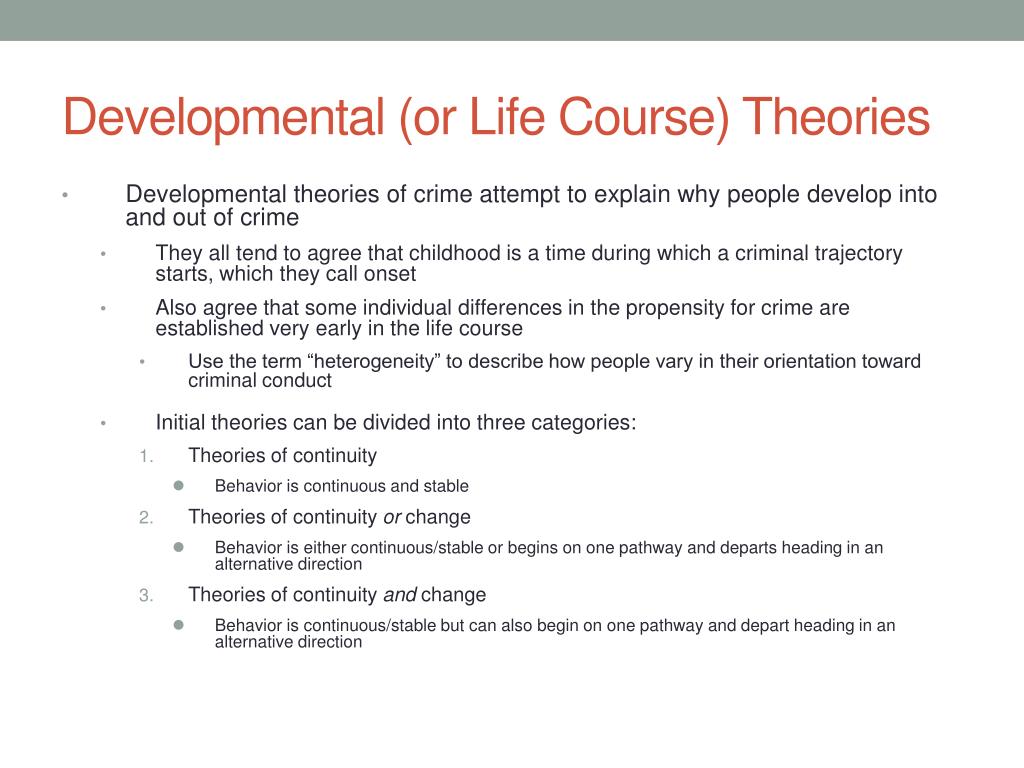
PPT Developmental Theories Crime and the Life Course PowerPoint
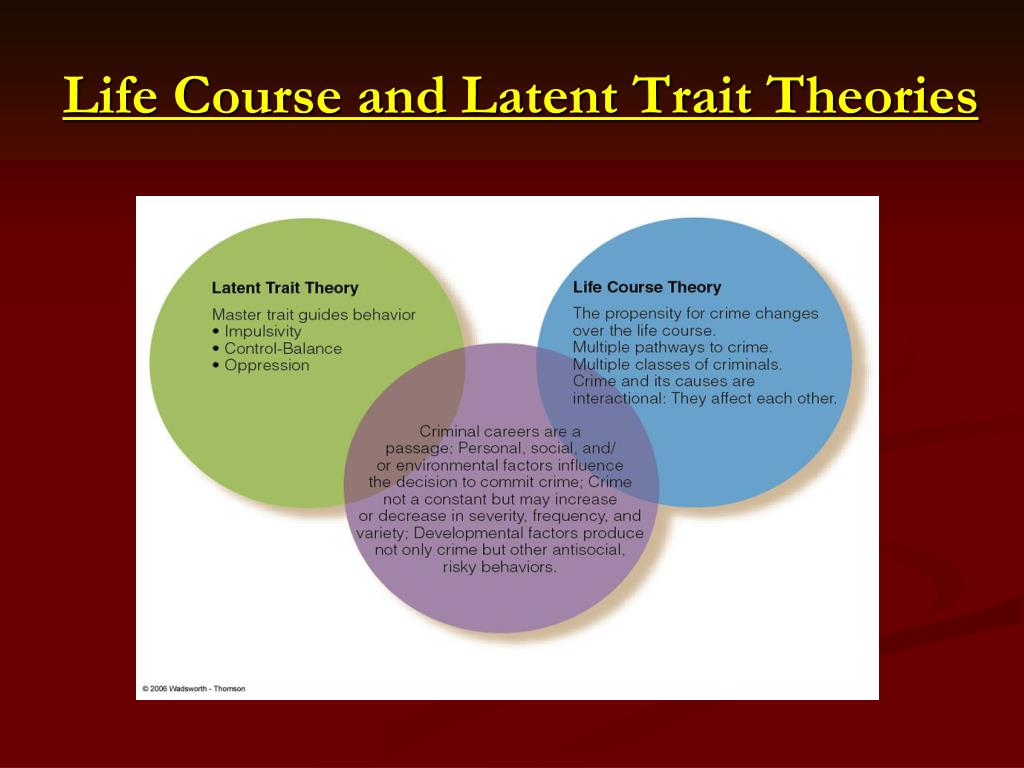
Trait Theory Criminology

Chapter 14 Developmental and LifeCourse Theories Diagram Quizlet
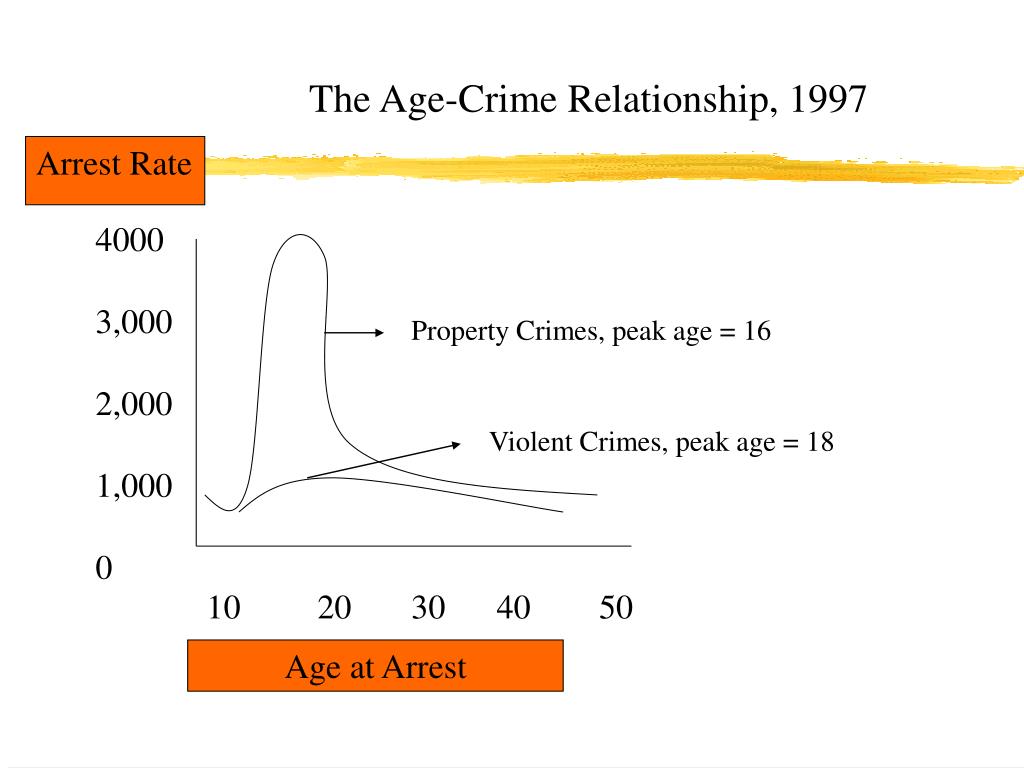
PPT LifeCourse Criminology PowerPoint Presentation, free download
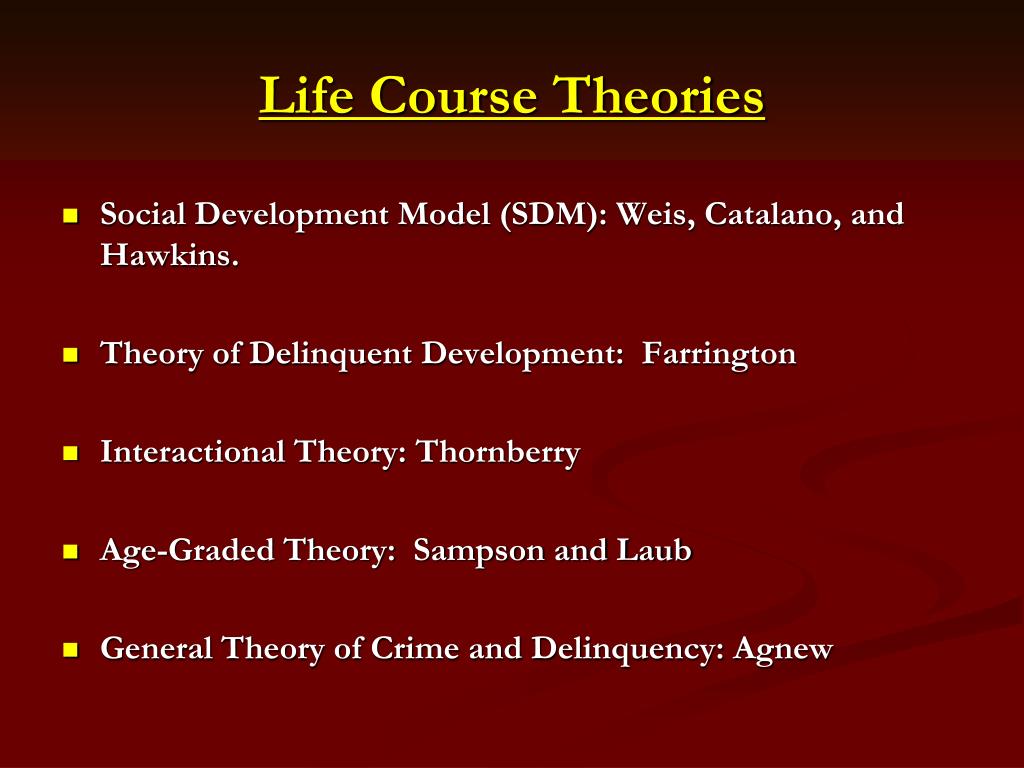
PPT Chapter 9 Developmental Theories Latent Trait and Life Course
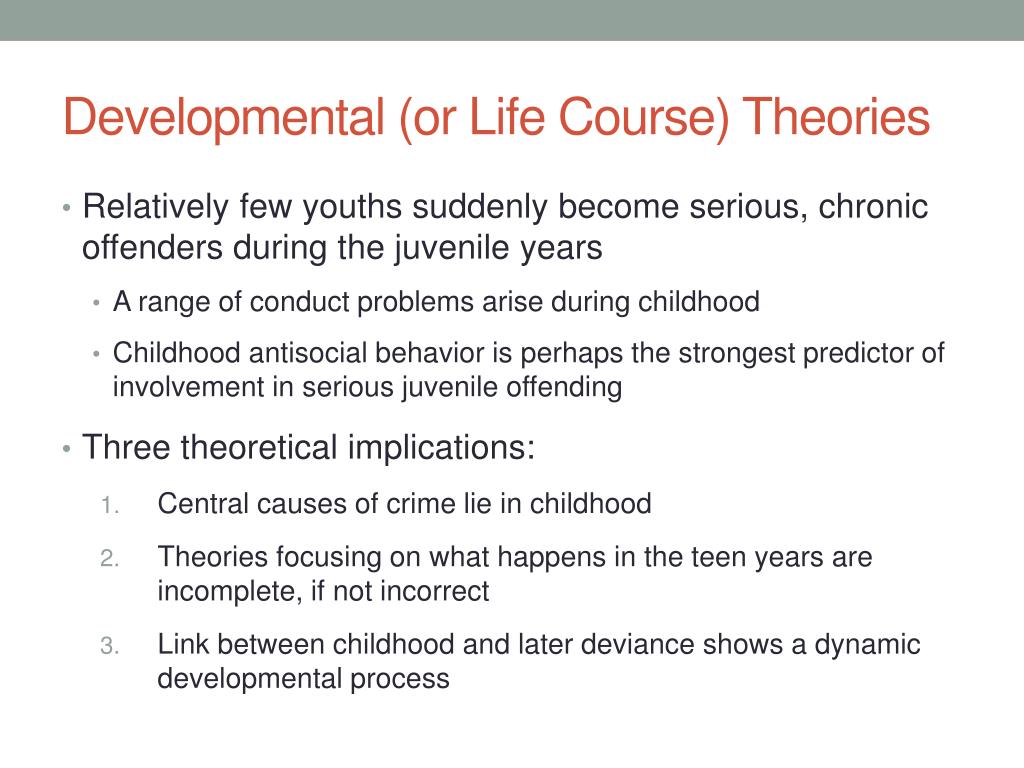
PPT Developmental Theories Crime and the Life Course PowerPoint
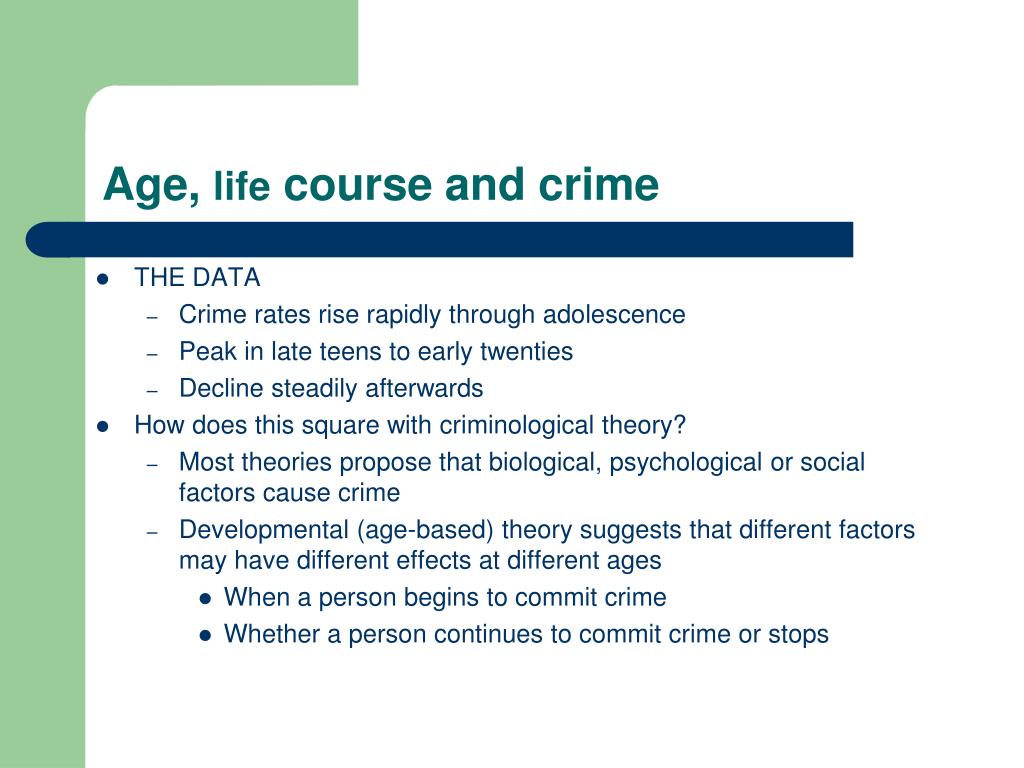
PPT Developmental criminology PowerPoint Presentation, free download
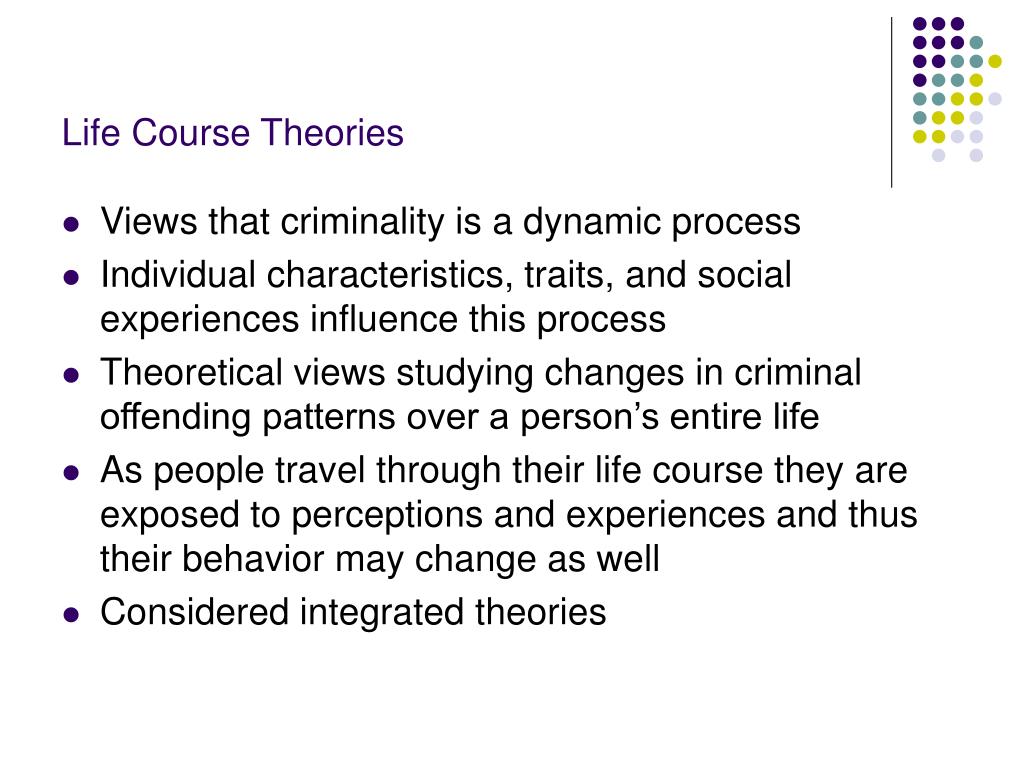
PPT Chapter Nine PowerPoint Presentation, free download ID652049

PPT Developmental Theories Crime and the Life Course PowerPoint
The Developmental Life Course Perspective Looks At Criminal Behavior Over The Course Of Someone’s Lifetime.
The Term Life Course Suggests A Focus On How People's Criminal Behavior Changes Over The Various Stages.
The Development Of Offending And Antisocial Behavior, Risk Factors At Different Ages, And The Effects.
Life Course Theory In Criminology Examines How Individual Experiences And Events Across The Lifespan Shape Criminal Behavior, Incorporating Factors Like Age, Socialization, And Life Events.
Related Post: