
Elective Courses In College
Elective Courses In College - Some of the best electives to take in college allow you to earn credits for listening to beyoncé, beekeeping, bowling or even driving tractors. Classes related to your hobbies. Collin college provides general academic courses and electives for students who plan to transfer to a college or university. Here’s a comprehensive guide on how to choose college electives that align with your academic and career goals. Whether you’re looking at the general education requirements you’re expected to take or interested in taking a class “just because” to round out a difficult semester or meet your credit hour requirements, you have a lot of options when it comes to college electives. Keep reading to find out what are the best electives to take in college. These courses are usually offered in a wide range of subjects, including art, music, literature, philosophy, history, science, and more. Whether you’re interested in advanced clinical skills, research, or community outreach, there’s an elective course for you. In most cases, these classes are outside a student’s core curriculum. Elective courses, often known as optional classes, are those that are not compulsory within a student’s major or program. Some of the best electives to take in college allow you to earn credits for listening to beyoncé, beekeeping, bowling or even driving tractors. Whether you’re interested in advanced clinical skills, research, or community outreach, there’s an elective course for you. This course is offered by the department of writing, but fear not, even if you aren’t. The college of arts and sciences' interdisciplinary european studies minor explores the history, politics, economics, and cultures of the peoples of europe from ancient times to the present. Obviously the classes for your major will be of value to you and your career down the line, but if you find yourself with free electives to take, consider choosing one of these six types of classes. For example, if you took algebra 1 as a freshman and want to aim for calculus by senior year, an online precalculus course over the summer. It’s important to comprehend the requirements of your major and whole degree program before selecting your electives. In simple terms, electives are courses or academic programs that you can choose from to supplement your required curriculum. Elective courses, often known as optional classes, are those that are not compulsory within a student’s major or program. Classes related to your hobbies. Professional education at king’s offers a range of professional short courses that meet the specific learning needs and objectives. They may count toward the number of credits you need in order to graduate but they are not a mandatory requirement to graduate in your particular degree of study. Elective courses are courses that are not mandatory for graduation but are. Some of the best electives to take in college allow you to earn credits for listening to beyoncé, beekeeping, bowling or even driving tractors. It’s important to comprehend the requirements of your major and whole degree program before selecting your electives. Classes related to your hobbies. Explore popular programs or choose from 200+ affordable and accredited online associate, bachelor's and. Electives in college live outside core and mandatory courses, and give students a chance to pursue interests and. Undecided students (aka, the majority of entering freshmen) are encouraged to take electives in fields of study they're considering. Explore popular programs or choose from 200+ affordable and accredited online associate, bachelor's and master's degrees. University at albany (suny) carlos albizu university,. Whether you’re interested in advanced clinical skills, research, or community outreach, there’s an elective course for you. Whether you’re looking at the general education requirements you’re expected to take or interested in taking a class “just because” to round out a difficult semester or meet your credit hour requirements, you have a lot of options when it comes to college. Your electives may fall under a degree requirement, but you typically have a few courses to choose from that satisfy it. Making time to do things you enjoy is hard with a packed college schedule. What elective courses should i take? Some of the best electives to take in college allow you to earn credits for listening to beyoncé, beekeeping,. It’s important to comprehend the requirements of your major and whole degree program before selecting your electives. Undecided students (aka, the majority of entering freshmen) are encouraged to take electives in fields of study they're considering. College electives embody the ideal educational experience — you get to choose what you want to learn without parameters. University at albany (suny) carlos. In simple terms, electives are courses or academic programs that you can choose from to supplement your required curriculum. Electives at the university of illinois college of medicine allow students to explore specialized areas of study and pursue their particular interests. Some of the best electives to take in college allow you to earn credits for listening to beyoncé, beekeeping,. Classes related to your hobbies. Unlike core courses, which are mandatory and outlined by the curriculum, elective courses allow students to explore subjects outside their primary field of study. The college of arts and sciences' interdisciplinary european studies minor explores the history, politics, economics, and cultures of the peoples of europe from ancient times to the present. In simple terms,. Electives are courses that count toward your credits for graduation, but are not requirements for your particular degree of study. Undecided students (aka, the majority of entering freshmen) are encouraged to take electives in fields of study they're considering. Elective courses, often known as optional classes, are those that are not compulsory within a student’s major or program. Whether you’re. Any courses offered at your college or university that do not have any other conditions — such as significant course. Unlike core courses, which are mandatory and outlined by the curriculum, elective courses allow students to explore subjects outside their primary field of study. Keep reading to find out what are the best electives to take in college. University at. In simple terms, electives are courses or academic programs that you can choose from to supplement your required curriculum. They may count toward the number of credits you need in order to graduate but they are not a mandatory requirement to graduate in your particular degree of study. There are a few easy college electives found at most schools, but your school may also have plenty of fun elective classes that you’ve never heard of. Electives in college live outside core and mandatory courses, and give students a chance to pursue interests and. Electives at the university of illinois college of medicine allow students to explore specialized areas of study and pursue their particular interests. Electives are courses that you get to choose. Thus, with their choice of electives, students can pursue other interests they may have, which will pave the way for a. For example, if you took algebra 1 as a freshman and want to aim for calculus by senior year, an online precalculus course over the summer. Whether you’re interested in advanced clinical skills, research, or community outreach, there’s an elective course for you. Phase 2 elective offerings were created as an opportunity for third year students to be exposed to specialties during a two week experience. Unlike core courses, which are mandatory and outlined by the curriculum, elective courses allow students to explore subjects outside their primary field of study. Whether it’s in high school or college, electives give students the opportunity to take classes that are beyond a prescribed plan of coursework. Your electives may fall under a degree requirement, but you typically have a few courses to choose from that satisfy it. In most cases, these classes are outside a student’s core curriculum. A comprehensive guide to selecting college electives, including tips on balancing career preparation with personal interests, and strategies for maximizing your educational experience. Whether you’re looking at the general education requirements you’re expected to take or interested in taking a class “just because” to round out a difficult semester or meet your credit hour requirements, you have a lot of options when it comes to college electives.
5 Elective Courses Colleges Really Need

Top 5 Elective Classes at Boise State OneClass Blog

College Electives Admissions, Courses and Scholarships

Choosing Elective Courses What You Need to Know

What are Electives? AdmissionSight
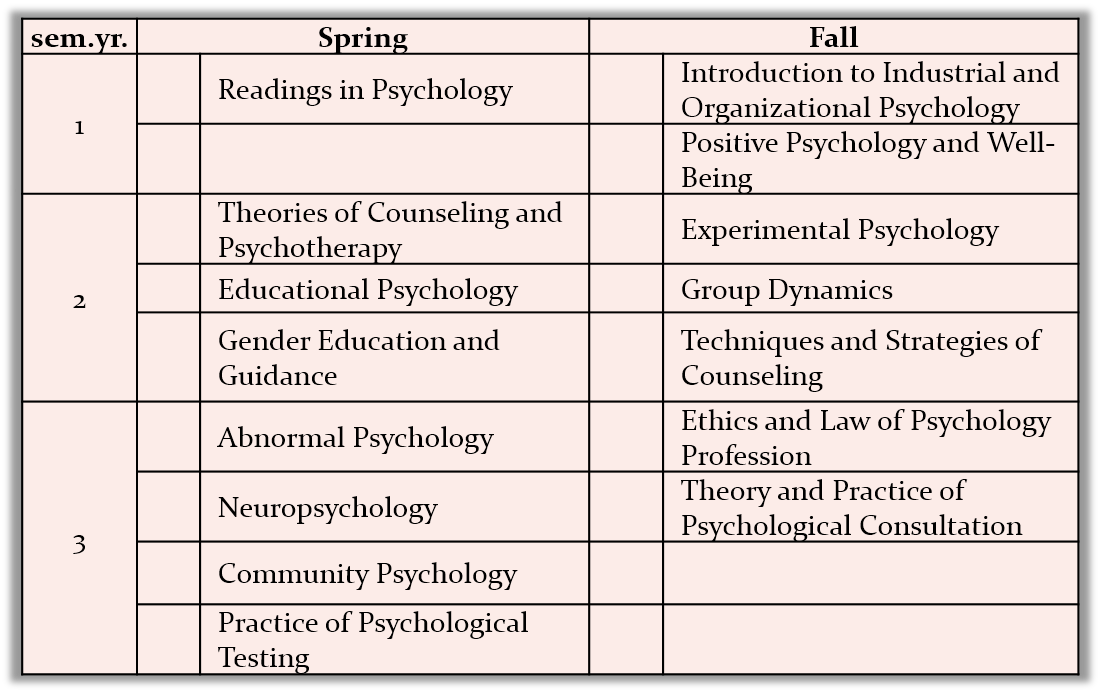
Undergraduate
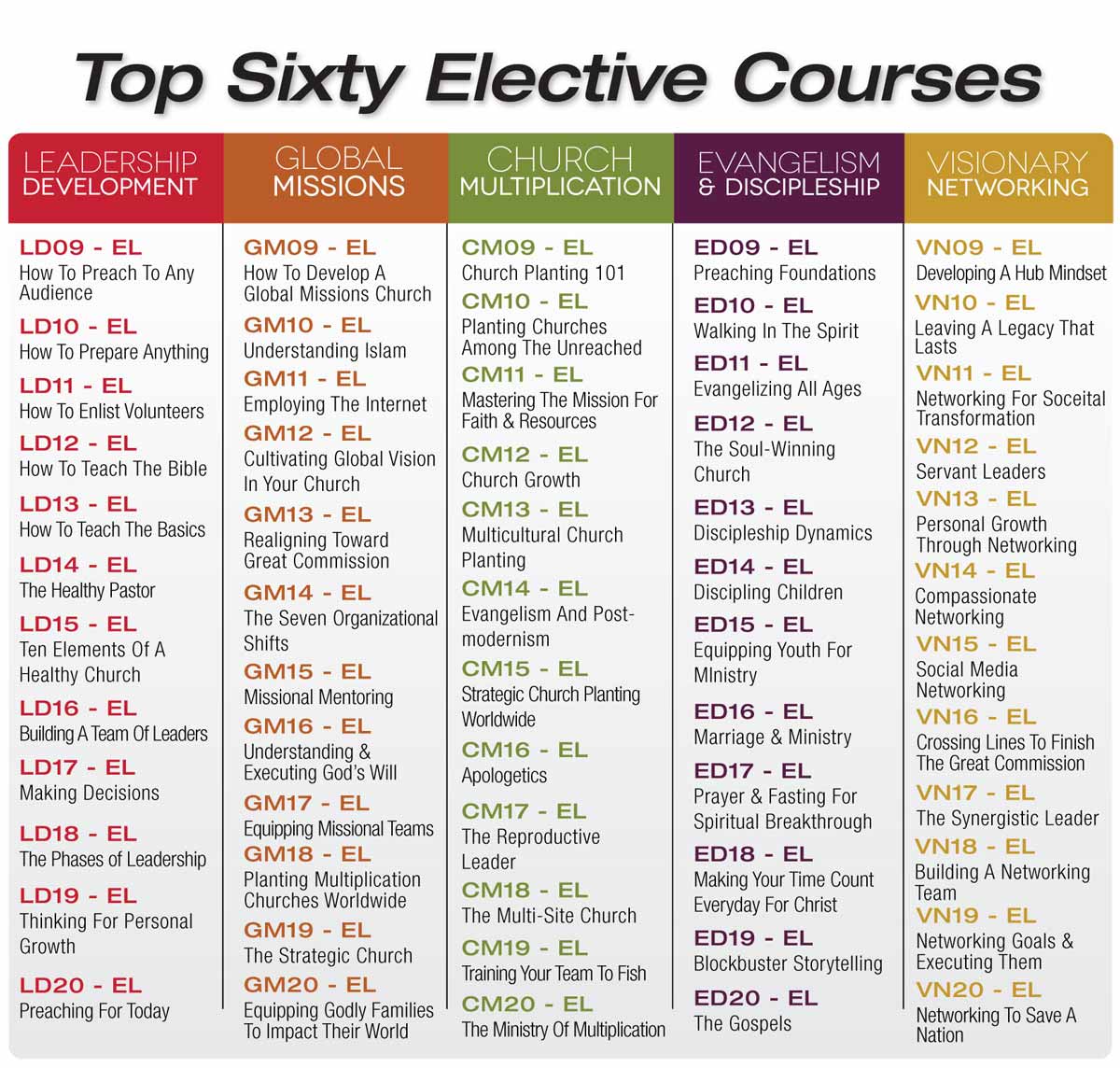
About GCLC
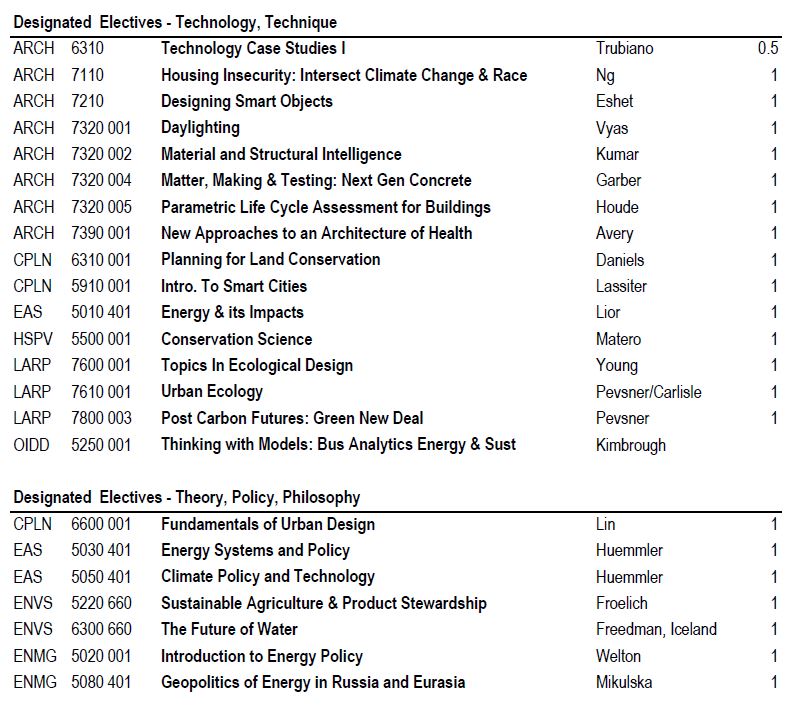
Designated Elective Courses Environmental Building Design

Terminologies describing elective courses and their types. Download Table

Why Are Elective Classes Important Sparkhouse
University At Albany (Suny) Carlos Albizu University, San Juan.
Because Of The Various Transfer Requirements At Colleges And Universities, And To Ensure Enrollment In Appropriate Courses, Students Should Verify Course Transferability And Degree Applicability With A Collin College Academic Advisor And/Or The.
Specialty Cooking Classes Or Nutrition And Wellness Can Provide A Break From Traditional Coursework As Well As Valuable Life Skills.
These Courses Are Usually Offered In A Wide Range Of Subjects, Including Art, Music, Literature, Philosophy, History, Science, And More.
Related Post: