
Accounting For Managers Course
Accounting For Managers Course - Accounting is explored in depth and broadened by the development of links with other disciplines such as business, management, law and technology. Gain insight into a topic and learn the fundamentals. As finances are often at the center of roundtable. It also addresses decisions in such areas as sales and marketing, human resources, and acquisitions that are impacted by accounting information. To receive a bs accounting degree, students must complete 126 credit hours in the courses outlined below with a minimum cumulative grade point average of 2.0 (c) and a minimum 2.0 grade point average in required bs accounting courses. A means to an end rather than an end itself. When you enroll in this course, you'll also be enrolled in this specialization. As a leader, having an understanding of accounting principles and roles empowers you to make the best decisions for your team and organization. Focus will be on both financial and managerial accounting with emphasis on the basics of financial statements, how to interpret these statements, and how to make good decisions based on them. Participants will learn to interpret financial data, make informed decisions, and develop strategies that align with organisational goals. In short, accounting for managers is the ideal toolkit for understanding how accounting information can be used to drive business decisions. Learn at your own pace. As finances are often at the center of roundtable. Accounting is explored in depth and broadened by the development of links with other disciplines such as business, management, law and technology. Strategic management accounting is presented as a service function; The course considers the use of information to make better decisions, such as measuring and identifying costs that are relevant for different types of decisions. It serves as an accelerated foundation course for students with no accounting background or as a refresher before enrolling in required mba courses. Learn essential accounting concepts and operating characteristics of accounting systems in this introductory course. It covers the essential concepts and techniques managers need to understand and interpret financial information to make informed business decisions. The course describes several tools, including target costing and constraint analysis, which can be used to improve upon business decisions. In accounting for managers, students learn the basic accounting principles needed to effectively make business decisions as a manager. Gain insight into a topic and learn the fundamentals. Detailed course outcomes are listed on the course outline, which is made available to the students. Helping managers meet their goals. Evaluate how digitalisation affects management accounting; In accounting for managers, students learn the basic accounting principles needed to effectively make business decisions as a manager. Describe fundamental concepts of managerial accounting. An accounting program will train you in skills like financial reporting, regulatory compliance, and business auditing. Course includes integrated text and study guide, final exam, and grading service. The course content is designed for individuals. The accounting for managers course describes how accounting transactions are compiled into financial statements and how information about company performance can be extracted from those statements. It also addresses decisions in such areas as sales and marketing, human resources, and acquisitions that are impacted by accounting information. Strengthen your leadership skillset with this course on leadership accounting and roles. The. The course begins with a review of basic math and accounting principles, ensuring students are prepared for the material that follows. Management accounting is a dynamic discipline which interacts with many facets of the organisational environment in which it exists across nations, industrial settings and management functions. In this course, you will understand the power of accounting to solve a. Evaluate how digitalisation affects management accounting; Apply the financial perspective of accounting for costs. Gain insight into a topic and learn the fundamentals. The course explores the use of management accounting tools and techniques as a natural response to decision making. Describe fundamental concepts of managerial accounting. When you enroll in this course, you'll also be enrolled in this specialization. It serves as an accelerated foundation course for students with no accounting background or as a refresher before enrolling in required mba courses. The course explores the use of management accounting tools and techniques as a natural response to decision making. Describe fundamental concepts of managerial accounting.. Learn at your own pace. As finances are often at the center of roundtable. Detailed course outcomes are listed on the course outline, which is made available to the students. Management accounting is a dynamic discipline which interacts with many facets of the organisational environment in which it exists across nations, industrial settings and management functions. Students are required to. As such, it isn’t suitable. Training and development ensure that decision makers have the necessary skills and. As a leader, having an understanding of accounting principles and roles empowers you to make the best decisions for your team and organization. Accounting is explored in depth and broadened by the development of links with other disciplines such as business, management, law. Students are required to take acc 870, acc 872, and one of the remaining courses. As part of the 126 credits, students complete 63 credits of liberal arts and sciences coursework. Focus will be on both financial and managerial accounting with emphasis on the basics of financial statements, how to interpret these statements, and how to make good decisions based. To receive a bs accounting degree, students must complete 126 credit hours in the courses outlined below with a minimum cumulative grade point average of 2.0 (c) and a minimum 2.0 grade point average in required bs accounting courses. From accelerated boot camps to comprehensive programs that allow you to earn a bachelor’s degree or (for more advanced learners) a. As part of the 126 credits, students complete 63 credits of liberal arts and sciences coursework. The course considers the use of information to make better decisions, such as measuring and identifying costs that are relevant for different types of decisions. The course begins with a review of basic math and accounting principles, ensuring students are prepared for the material that follows. The aims are for you to. In short, accounting for managers is the ideal toolkit for understanding how accounting information can be used to drive business decisions. Course includes integrated text and study guide, final exam, and grading service. An accounting program will train you in skills like financial reporting, regulatory compliance, and business auditing. Building a framework of accountability. Strengthen your leadership skillset with this course on leadership accounting and roles. Students are required to take acc 870, acc 872, and one of the remaining courses. Participants will learn to interpret financial data, make informed decisions, and develop strategies that align with organisational goals. Describe fundamental concepts of managerial accounting. Helping managers meet their goals. It covers the essential concepts and techniques managers need to understand and interpret financial information to make informed business decisions. Training and development ensure that decision makers have the necessary skills and. The course content is designed for individuals with a limited knowledge of accounting practices and principles.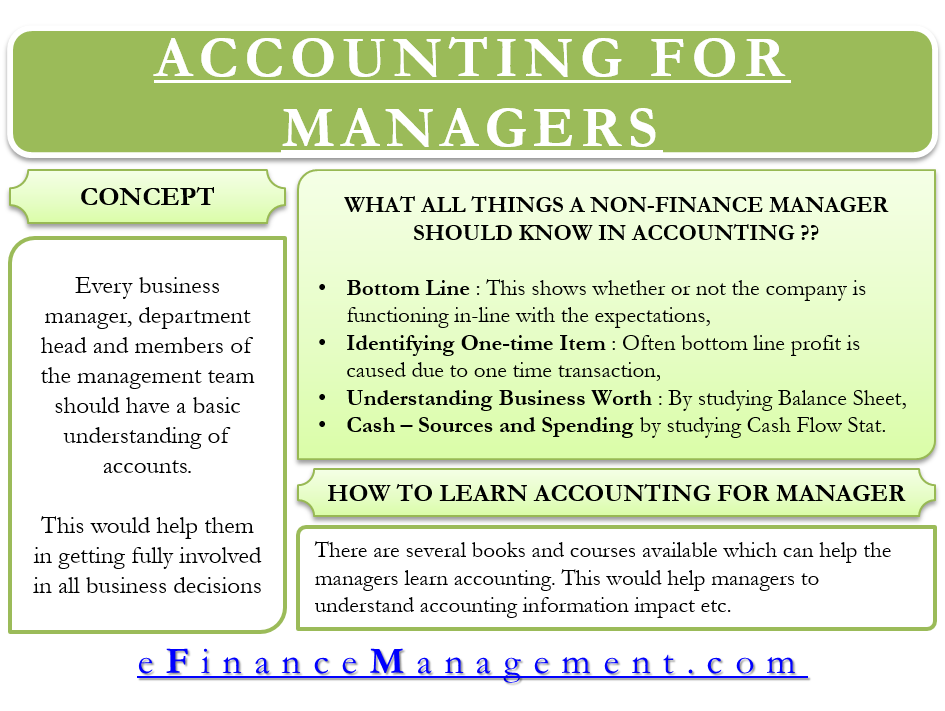
What Is Accounting for Managers? eFinanceManagement

SOLUTION Accounting for managers Studypool
Managers guide to finance and accounting A Manager’s Guide to Finance

Accounting for Managers (Briefcase Books Series) eBook
Accounting For Managers 1 semester first semester
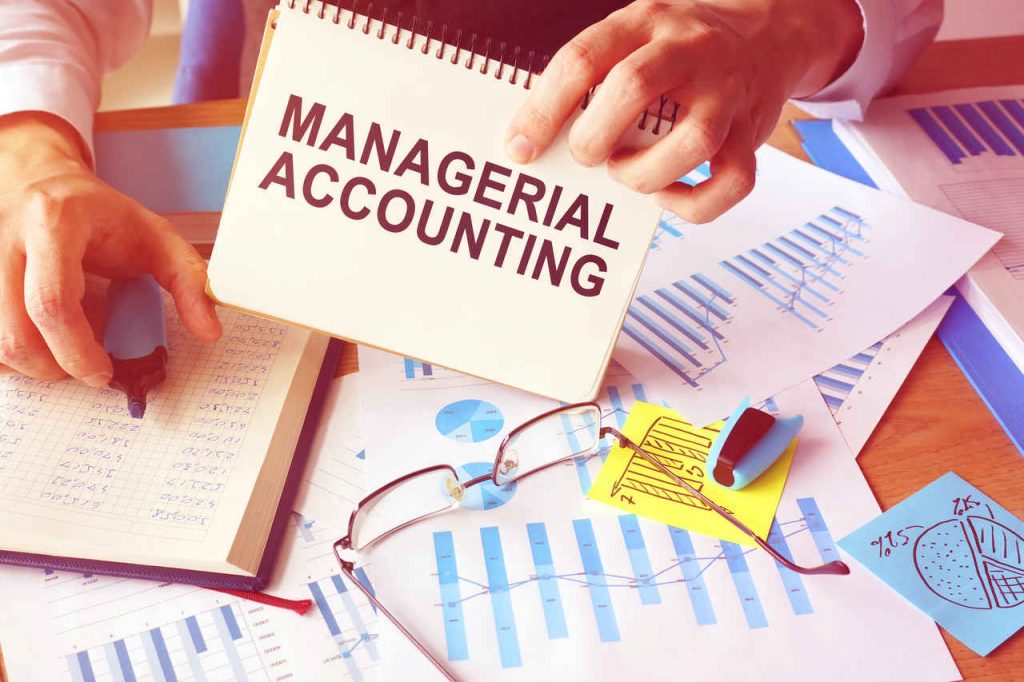
Managerial Accounting For Managers
Managerial Accounting for Managers (5th Edition) Testbank + Solutions
Financial Accounting for Managers, 3rd Edition[Book]

Accounting for Management by Dinesh Harsolekar et al. Taxmann Virtual

TRAINING ACCOUNTING AND FINANCE FOR MANAGERS Pusdiklatindo
Gain Insight Into A Topic And Learn The Fundamentals.
As Such, It Isn’t Suitable.
A Means To An End Rather Than An End Itself.
For Example, National University’s Bs In Supply Chain Management Includes Courses On Inventory Management, Omnichannel Distribution, Global Logistics, And Network Modeling.
Related Post: